SmartPegs: The key to accurate ISQ measurements
Apr 07, 2026
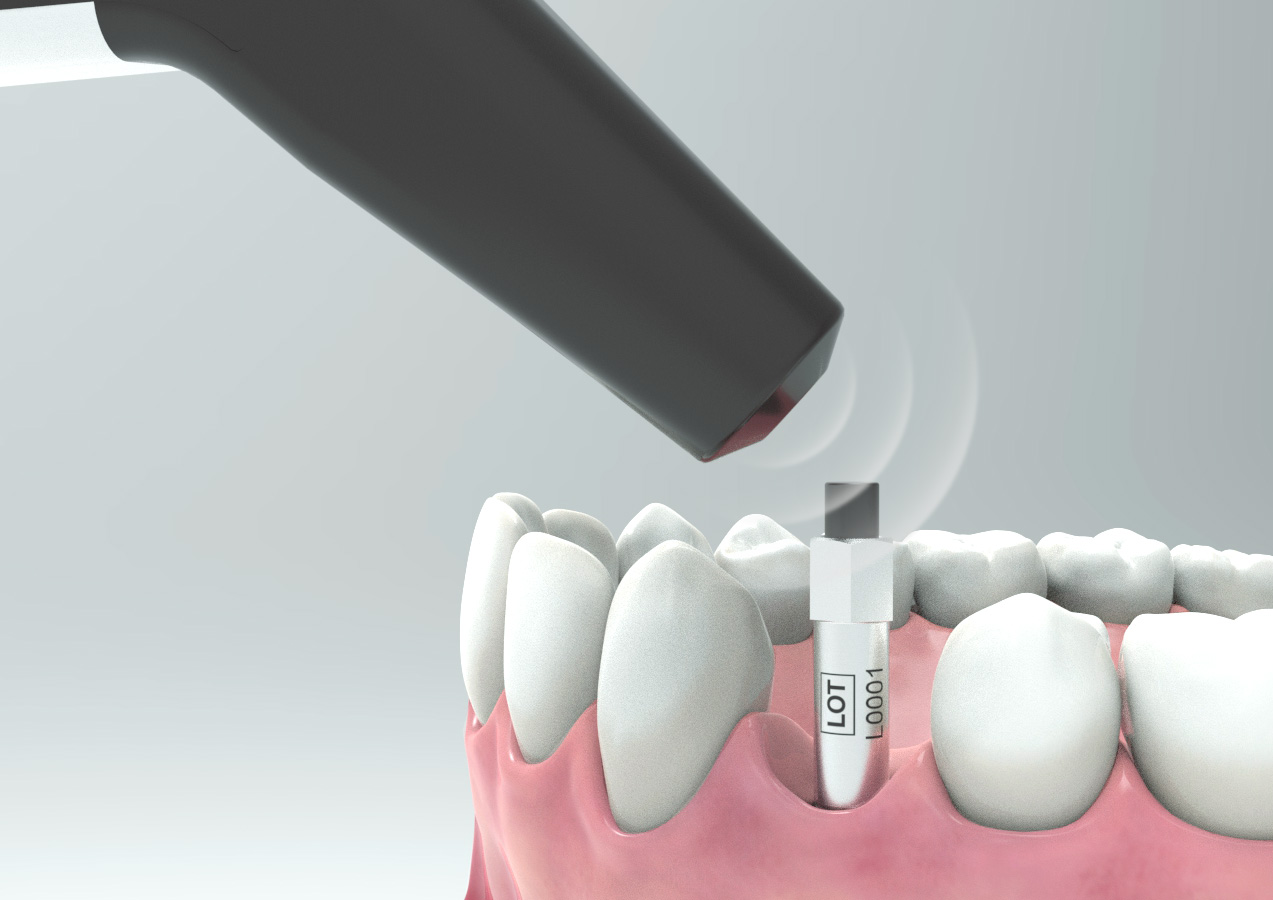
SmartPegs are the core measuring components of the Osstell ISQ concept – the parts that enable a true and objective assessment of implant stability. When attached to the implant or abutment, the SmartPeg is excited by a magnetic pulse from the Osstell instrument. The resulting resonance frequency is converted into an ISQ value, giving clinicians a reliable and clinically relevant measure of implant stability.
Designed for precision
Each SmartPeg is made from aluminium, a soft, lightweight metal that protects the implant’s internal connection while allowing highly sensitive measurement. This material choice is essential to achieving accurate resonance behaviour without risking thread damage.
SmartPegs must be tightened finger-tight (4–6 Ncm) using the SmartPeg Mount. Proper tightening ensures stable contact and keeps variation within ±2 ISQ units.
Two SmartPeg options – one validated ISQ method
SmartPegs are now available as single-use and reusable versions, both engineered in aluminium and delivering the same validated ISQ accuracy.
- Single-use SmartPegs are delivered sterile and intended for one treatment session. Reuse may lead to worn threads and inaccurate measurements.
- Reusable SmartPegs are designed with protective surface and magnet coatings and can be reprocessed up to 20 times when cleaned and sterilised according to the guidelines.
Both options are precisely manufactured to work exclusively with Osstell instruments, ensuring consistent and clinically trustworthy results.
The importance of selecting the correct SmartPeg Type
A SmartPeg must match the implant or abutment connection exactly. Using the wrong SmartPeg Type may prevent resonance or result in no or false values – or even in a fractured SmartPeg. The SmartPeg Reference Guide and SmartPeg App help clinicians identify the correct type quickly and confidently.
What affects SmartPeg functionality?
A reliable ISQ measurement depends on using the correct SmartPeg and ensuring it is in good condition. The Osstell instrument guides the user, and the only technique‑related factor is maintaining the proper distance so the reading is captured.
A measurement may fail or be inaccurate if:
- an incorrect SmartPeg Type is used
- the SmartPeg is not tightened finger-tight
- the SmartPeg is worn, damaged, or (for single-use) reused
- the reusable SmartPeg has exceeded its validated reprocessing cycles
- soft tissue touches the SmartPeg during measurement
- there could be soft tissue, saliva or debris trapped between the SmartPeg and the implant or abutment connection
- the instrument tip is not positioned 2–4 mm above the magnet at ~45°
- a non Osstell SmartPeg is used
These factors can dampen the vibration or prevent it from being detected.
A small component with a central role
Every ISQ reading depends on the SmartPeg’s precision. When a SmartPeg is correctly handled and maintained, it performs exactly as intended – ensuring the ISQ value reflects the implant’s true stability and provides a dependable foundation for clinical decision‑making.
Trust the measured value. The only true value.

Add comment