Welcome to Osstell®
We help clinicians provide their patients with optimal time to teeth.
Osstell® helps you objectively determine implant stability using a repeatable measurement method, supporting efficient treatment planning, reducing unnecessary delays, and enabling more predictable outcomes.
OSStellconnect
Plan with confidence using OsstellConnect

OSStellconnect
Build trust with the ConsultationTool
in OsstellConnect


Predictable outcomes
Our method removes guesswork.
By measuring implant stability with an objective value, Osstell makes implant treatments more predictable and reliable for every patient.

Optimal treatment time
Immediate loading is becoming more and more common. Patients want results fast. With Osstell®, you only wait as long as needed.

Proven method
Backed by more than 1500 scientific studies, our method is based on RFA to determine whether or not an implant is stable enough. The result is presented as an ISQ value of 1-99. The higher the ISQ, the more stable the implant.
Find your distributor
Our distribution partners
We work closely with distributors in countries all over the world. Here you’ll find a map with all our distributors. Click and zoom in and out on the map to find the closest one. You can also find them by using the search field. Please note that all purchases must be made through our distributors.
Would you like to become a distributor of Osstell?
Please send an e-mail to info@osstell.com

Search for distributor
Backed by research, proven in practice
1500 scientific articles support our method
Our regularly updated database, where we have compiled all scientific research relating to Osstell and ISQ, now includes more than 1500 articles.
Browse articles
Explore our products
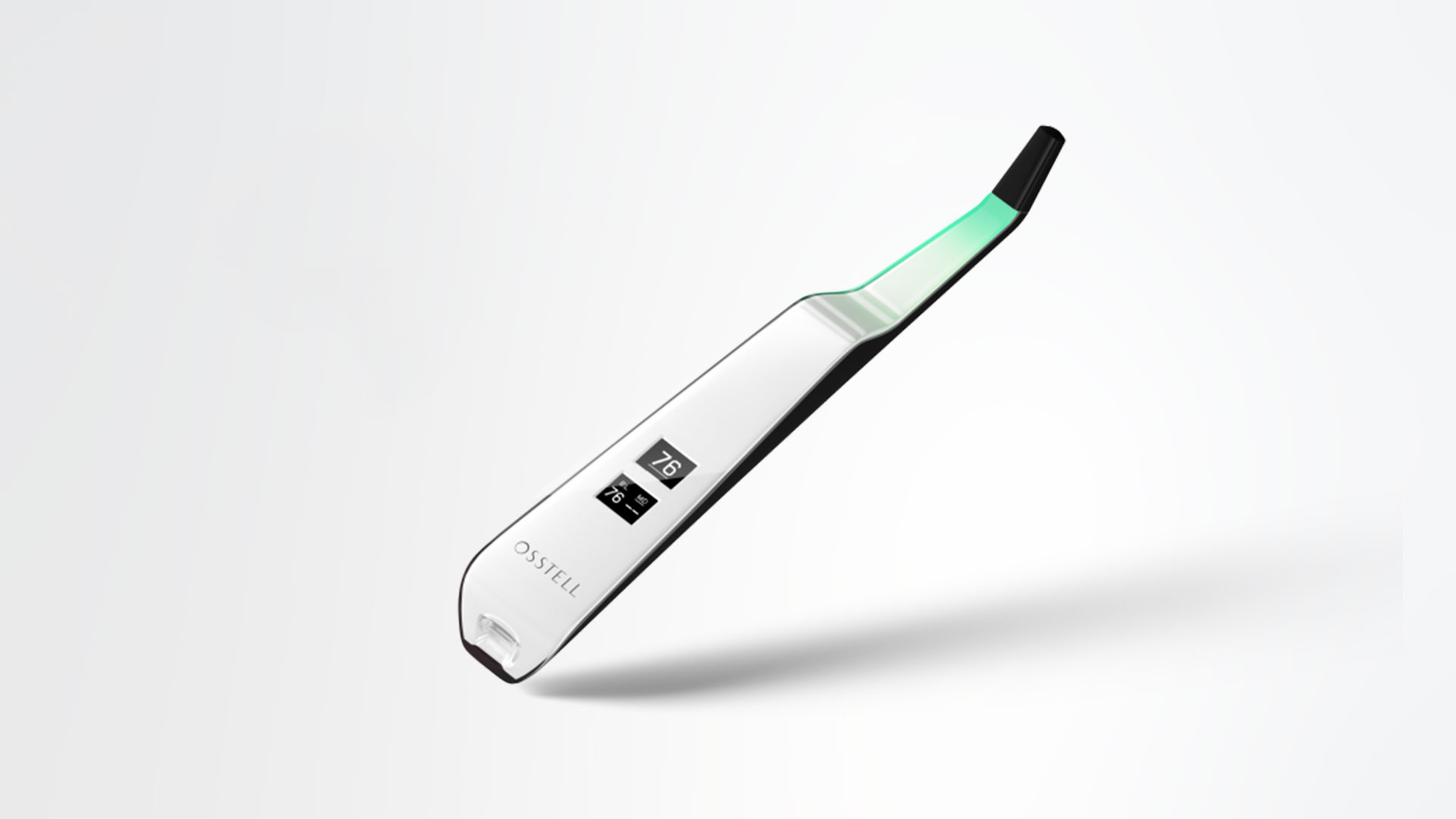
Osstell Beacon
The Osstell Beacon helps you to objectively and noninvasively determine implant stability.
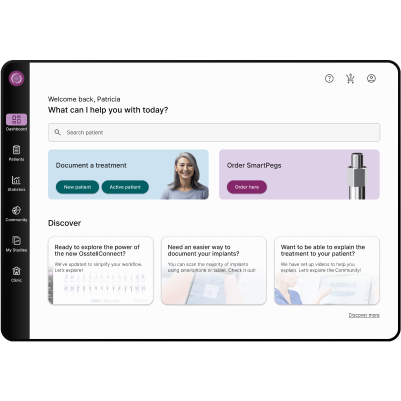
OsstellConnect
OsstellConnect is a free cloud-based solution offering a new way for clinicians to use data to enhance their dental implant treatments.
SmartPeg
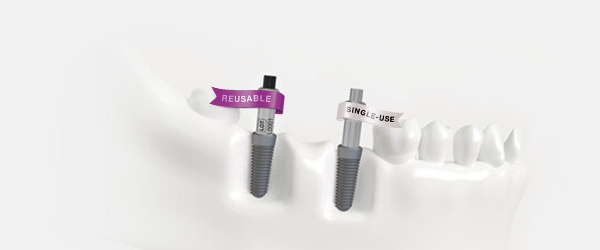
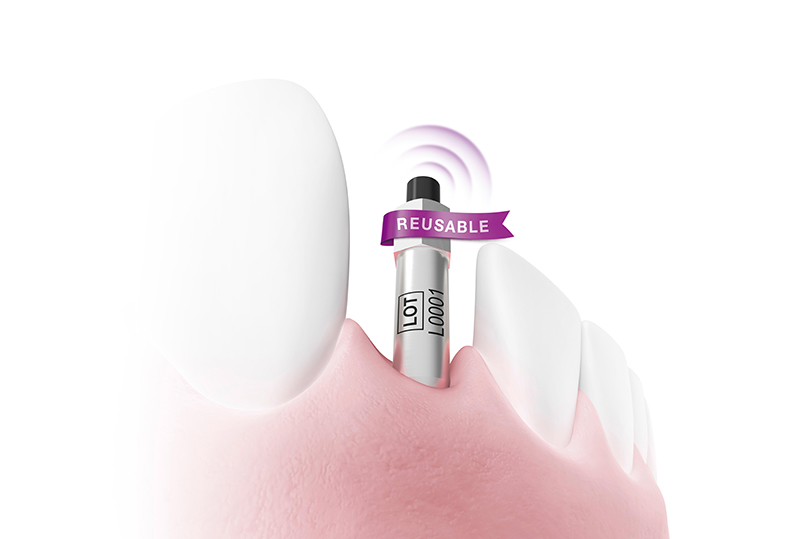
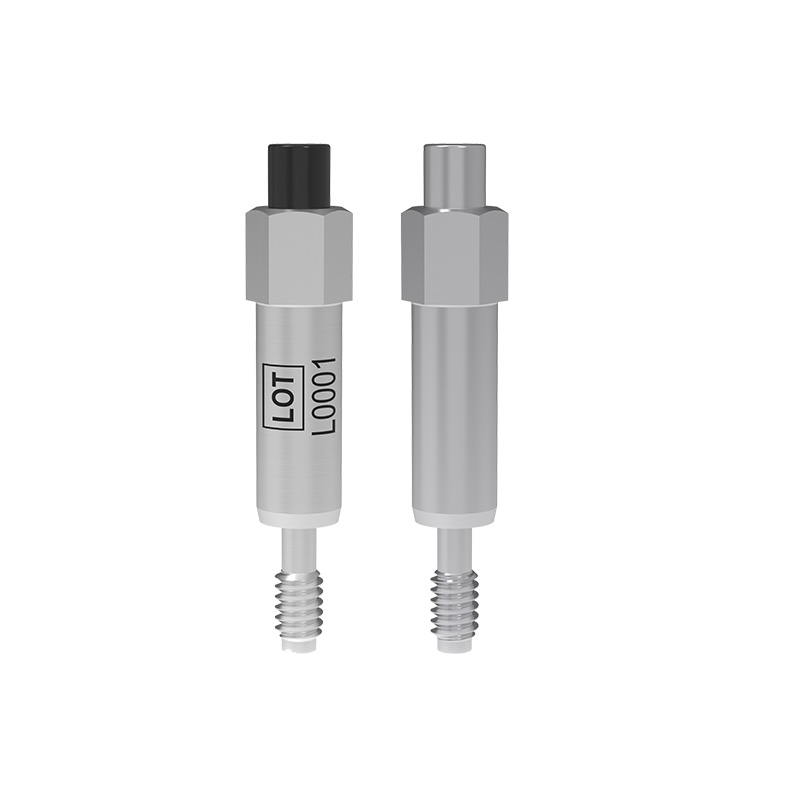
The SmartPeg™ attaches to the implant and is used together with the measurement instruments Osstell Beacon, Osstell IDx or Osstell ISQ.

Want to know more?
We are happy to discuss your needs and answer any questions you may have. Get in touch with us and the team will reach out shortly.
Contact usAbutment level
Measuring implant stability on abutment level
Did you know that implant stability can be measured on abutment level? This requires a SmartPeg designed for this purpose, and the results are not directly comparable to those measured on implant level. It’s recommended to measure stability both before and after the abutment is installed, providing a baseline for comparison at the next follow-up appointment.
Learn more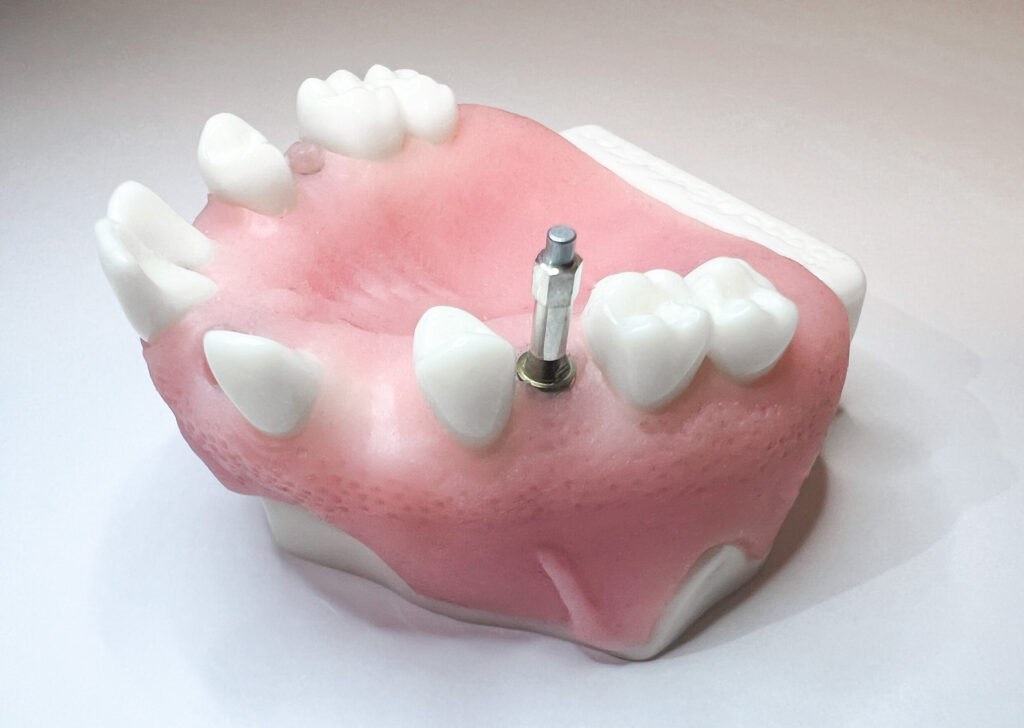
Smartpeg app
Find the correct SmartPeg
The SmartPeg app is designed to help you quickly find the right SmartPeg for even easier Osstell ISQ measurements on implants and abutments. Available on App Store and Google Play



Dr. Jörg-Martin Ruppin
The technology of resonance frequency analysis gave us a profound insight to what is happening around our implants and has become the essential part of our decision making in immediacy!

Dr. Aly Virani
Osstell has changed the way we deliver implants in our practice. A move towards immediacy is better for the patients and for the clinician but doing so safely with the reassurance of a wealth of evidence has been transformational for us. With the data to make and communicate decisions about loading and healing, we are seeing better results and greater engagement from patients who are taking more responsibility for their aftercare and healing.”

Dr. Ahmet Orgev
In multidisciplinary setting like academic environment, Osstell helps us improve communication between our clinics and clinicians.

Dr. Jedediah Huss
Osstell and the ease of use of the beacon to obtain an ISQ value has been a great addition to my practice and to all the doctors in which I teach. It allows myself and our attending doctors to have a better understanding of their implant surgeries and bone to implant contact that is occurring for each individual implant that is being placed for the best and most consistent outcomes for our patients

Dr. Michael Norton
As someone providing implants for over 30 years with a global reputation for research and publications on primary stability I would not be without my Osstell Beacon and the profound insights and benefits of being able to measure implant stiffness via the ISQ on a longitudinal basis. No clinician serious about providing implants should be without one.

Dr. Marcus Dagnelid
“Bringing patient data and objectivity together with cloud solutions like Osstell Connect, creates better, safer and more efficient treatment decisions. It is the present and will be the future in implant dentistry.

Prof. Daniel Buser
In daily practice, we never measure the insertion torque since we use Osstell instead to monitor implant stability. For non-splinted implants, we want the second ISQ value to be ≥70 to initiate the prosthetic rehabilitation with functional loading. In most implant patients, this is either at 4 or 8 weeks of healing allowing an early loading protocol.

Prof. Peter Moy
Osstell has become my personal guide in determining the appropriate time to load patients’ implants, and I now use it for every implant case.

Dr. Jay Malmquist
D.M.D, FACD, FICD, FAOMy primary use of the Osstell Instrument in my clinic is to evaluate each implant at the time of placement and again at the second stage abutment connection. This allows for an objective way to evaluate the implant healing and gives some indication of the short term and long term success. Progression of numbers will allow for an understanding of the bone quality and stability of the implant during all phases of treatment. Specially, I use the Osstell at immediate load or early loading depending on what these definitions mean to the clinician

Paul S. Rosen
DMD, MS, FACDOsstell use is critical for my implant practice. Every year, this device more than pays for itself as there are always several patients who heal slowly or who have implants placed with extremely low insertion torque. This confounds my ability to predict when healing has been adequate to proceed to the restorative phase. Osstell provides me with quantitative information necessary to make informed decisions. No longer am I the villain who slows up patient care, but it is objective data about the patient’s healing that becomes the determining factor.

Scott D. Ganz
DMD Prosthodontics, Maxillofacial Prosthetics & Implant DentistryOsstell is an essential part of my implant practice. As a surgical prosthodontist I use it on every implant case to determine and document implant stability. ISQ values provide the confidence (based on science) to know when each implant is ready to load, whether for immediate or delayed restoration, helping to achieve a successful restorative outcome for each and every patient

Rachel Schallhorn
DDS and Pamela K. McClain, DDSWe are currently using Osstell when we place all implants to establish a baseline measurement of implant stability. At the time of placement if the ISQ is too low (depending on the location – anything below 45) we will remove the fixture, possibly graft and then wait another 3-6 months before trying to place another fixture. Since we began using this device in 2009, our decision making process has become more simple and objective. We will continue to use the Osstell values to help guide treatment decisions and as a communication tool with our referring dentists.

George Mandelaris
DDS, MS & Alan L. Rosenfeld, DDS, FACDComparative surgical and pre-prosthetic Osstell readings provides an effective foundation for shared responsibility between the patient, surgeon and restorative dentist regarding implant integration status. As the team enters the prosthetic phase of treatment objectives, implant performance data helps to focus outcomes based on realistic expectations.

Barry P. Levin
D.M.DAs a surgical specialist, I work closely with my restorative colleagues. When immediate and early loading treatment is selected, I need certainty in communicating implant stability. Osstell ISQ gives me a “number” I can provide as a tangible measurement of stability. If changes in loading protocols are appropriate, I can provide a numerical value that makes sense and keeps all members of the team on the same page. I value this technology and feel it has only just begun to demonstrate all of its applications in clinical practice.
we’re here to help
Do you have questions?
Please contact us at support@osstell.com if you have any questions regarding our products, registration, distributors etc.
Looking forward to hearing from you.
The Osstell Team